

Case Study: AI-Powered EdTech Learning Platform
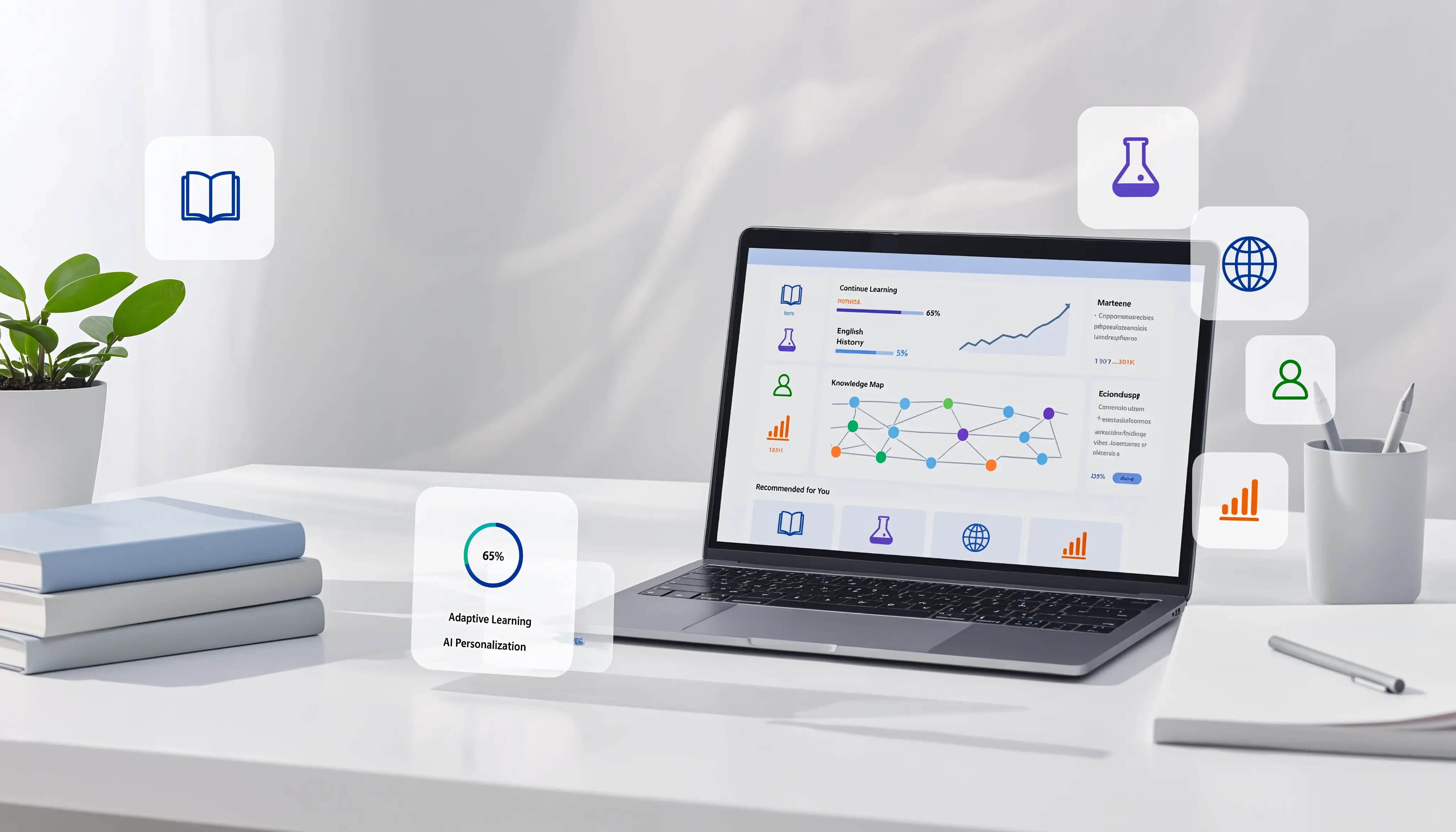
The project focused on developing an AI-powered EdTech platform that adapts learning content based on individual student performance. It provides personalized learning paths, real-time assessments, and progress tracking to improve engagement and knowledge retention.
Last updated: 2 Jul 2026
This case study covers AI-Powered EdTech Learning Platform: the request the client brought to JuTech, the solution we designed and built, and the impact it delivered.
Story
Short Overview
The project focused on developing an AI-powered EdTech platform that adapts learning content based on individual student performance. It provides personalized learning paths, real-time assessments, and progress tracking to improve engagement and knowledge retention.
Project Background
Traditional learning platforms often deliver the same content to all users, leading to low engagement and uneven learning outcomes. The client wanted a system that could intelligently adapt to each learner’s pace, strengths, and weaknesses using AI-driven insights.
Summary
Industry
EdTech, Online Learning, AI Education
Service
Platform Development, AI Integration, Backend Systems, UI/UX Design
Team:
3 Engineers, 1 AI Specialist, 1 PM
Client’s Location:
India / Global
Lifetime
2025
+58%
Student Engagement
+43%
Learning Completion Rate
+45%
Evaluation Efficiency
Request
What was the customer's request?
The client required a smart learning platform that could analyze student behavior and performance to deliver personalized learning paths. The system needed to support multiple courses, provide adaptive testing, and generate real-time insights for educators to monitor student progress effectively.
What did the client already have?
The client had structured course content and a basic LMS idea but lacked an AI-driven personalization engine, scalable backend system, and modern user experience for students and educators.
Solution
Where did we start?
We began by understanding the client’s vision for a personalized digital learning ecosystem and analyzing how students interact with online education platforms. The initial focus was on identifying key pain points such as low engagement, one-size-fits-all content delivery, and lack of progress visibility. This helped us define a clear direction for building an AI-driven, adaptive learning experience that could dynamically respond to individual student performance.
Process
Requirements phase
In the requirement phase, we translated the learning goals into a structured technical and functional blueprint. We defined user roles such as students, educators, and administrators, along with core system modules like course delivery, assessments, and performance tracking. Special attention was given to AI-based personalization logic, ensuring the system could adapt content based on student behavior, quiz performance, and engagement patterns. We also outlined scalability, content management, and real-time analytics requirements.
System Architecture & Implementation Planning
Once requirements were finalized, we designed a scalable architecture to support content delivery, AI recommendation engines, and real-time analytics. The system was structured to handle modular learning content, adaptive assessments, and performance dashboards efficiently. We also planned the integration of AI models with the learning workflow to ensure personalized learning paths, seamless user experience, and consistent performance across devices.
Content Delivery System Development
We built a scalable learning content delivery system to manage and serve multiple course formats such as videos, quizzes, and interactive modules. The system was optimized for fast loading and smooth accessibility across devices, ensuring students could access learning materials without delays or interruptions.
AI-Powered Personalization Engine
An AI-driven recommendation system was developed to analyze student behavior, performance, and engagement patterns. Based on this data, the system dynamically generated personalized learning paths and suggested relevant content, helping students focus on areas that needed improvement while enhancing overall learning efficiency.
Student & Educator Dashboard
We designed an interactive dashboard for both students and educators to track progress in real time. Students could view their learning journey, quiz performance, and progress metrics, while educators gained insights into class performance, engagement levels, and individual student growth, enabling better guidance and intervention.
Project Challenges
and Our Suggestions
Low Student Engagement
We introduced adaptive learning paths and gamified elements such as progress tracking, quizzes, and milestone rewards. This made learning more interactive and improved student participation.
Personalization Accuracy
We refined the AI recommendation engine using performance-based data and continuous feedback loops, allowing the system to improve personalization accuracy over time and deliver more relevant learning content.
Scalability of Content Delivery
We optimized the backend architecture with modular content structuring and caching mechanisms, ensuring high performance and seamless content delivery even as the user base and course library grew.
Impact
The EdTech platform significantly improved student engagement by delivering personalized learning experiences tailored to individual performance. Students benefited from adaptive content that matched their learning pace, improving knowledge retention and completion rates.
Before:
- One-size-fits-all learning content
- Limited student engagement tracking
- No personalization in learning paths
- Manual performance evaluation
- Basic LMS experience
After:
- AI-driven personalized learning paths
- Real-time student analytics and tracking
- Adaptive quizzes and assessments
- Automated performance insights
- Interactive and engaging learning platform

Live AI Showcase.
Explore the systems we’ve built through an interactive live demo experience the future of digital products and the power of AI firsthand.
